41 bad fats on food labels
Good fats and bad fats - Saga If a food product has these words on the label it must contain 25% less fat than a similar standard product. This can still mean a lot of fat! Read the label carefully to see how much fat there is in 100g of the food. Less than 5% fat - or 95% fat free This means that the food has less than 5g of fat per 100g. Trans Fats, Health and Nutritional Labeling of Foods The labeling requirements are based on scientific evidence that consumption of saturated fats and TF may raise low-density lipoprotein (LDL) levels and increases the risk of coronary heart disease. LDL is commonly known as "bad cholesterol". A small amount of TF is found naturally in vegetable oils and some animal derived foods.
› calorie-counts-and-nutritionCalorie Counter and Food Nutrition Data - Verywell Fit May 24, 2022 · Macronutrients are the nutritive components found in food—fat, protein, and carbohydrate—needed in larger amounts for energy and to maintain the body’s structure and systems. The nutrition facts panel lists the percentage of each of these macronutrients in a serving based on a 2000-calorie diet.

Bad fats on food labels
Fat Content on Food Labels - Reading Between the Lines The Mayo Foundation continued, "Still, you may be able to tell if a product contains trans fat, even if it's not directly listed on the food label. Look for the words ' hydrogenated ' or 'partially hydrogenated' in the list of ingredients. These terms indicate that the product contains trans fat. What Foods Are High in Fat? High-Fat Foods to Avoid Foods high in fat to avoid These foods are rich in bad fats, namely, saturated and trans fats and should be avoided: Deep-fried foods (French fries, fritters, chips) Cakes, muffins, cookies Ice cream and other frozen desserts Red meat (steak) and processed meats (bacon, sausage) Chicken skin Butter, margarine, lard Top 10 High Fat Foods to Avoid - myfooddata Read ingredient labels and avoid any trans or partially hydrogenated fats or oils. High-fat foods to avoid include fast foods, whipped cream, fatty meats, fried foods, fatty snacks, processed meats, desserts, fatty salad dressings, animal fats, and trans-fats. ( 1) The daily value (DV) for fat is 78 grams per day. ( 2)
Bad fats on food labels. How to Understand and Use the Nutrition Facts Label | FDA Saturated fat, sodium, and added sugars are nutrients listed on the label that may be associated with adverse health effects - and Americans generally consume too much of them, according to the... › eat-smart › fatsTrans Fats | American Heart Association Mar 23, 2017 · Many restaurants and fast-food outlets use trans fats to deep-fry foods because oils with trans fats can be used many times in commercial fryers. Several countries (e.g., Denmark, Switzerland, and Canada) and jurisdictions (California, New York City, Baltimore, and Montgomery County, MD) have reduced or restricted the use of trans fats in food ... › dietWeight Loss & Diet Plans - Find healthy diet plans and ... But that bag of potato or corn chips is full of salt and, often, unhealthy saturated or trans fats. These can raise your odds of heart disease. Nuts like cashews, walnuts, or almonds provide heart ... Understanding Food Nutrition Labels | American Heart Association When the Nutrition Facts label says a food contains "0 g" of trans fat, but includes "partially hydrogenated oil" in the ingredient list, it means the food contains some trans fat, but less than 0.5 grams per serving. So, if you eat more than one serving, you could end up eating too much trans fat.
8 Ways Your Nutrition Label Is Misleading You - Taste of Home 7. Zero Trans Fat. Artificial trans fats are the worst of all fats, increasing the risk of heart attack, stroke, diabetes and other health problems. The FDA has finalized its decision to eliminate trans fats from food, but manufacturers have until 2018 to meet the new standards. So for now, be leery of "0 trans fat" claims. Fats, sugar, carbs: How to read a food label (and seven words to watch ... The "total carbohydrate content" of the food will actually include the sugars within this number and give you an idea of the amount of fuel a food contains. For example, if you consider that a slice of bread or a piece of fruit contains 15-20 grams of carbs per serve, then a food that contains 60-80 grams of carbs per serve is an energy-dense ... dtc.ucsf.edu › good-fats-bad-fatsGood Fats, Bad Fats :: Diabetes Education Online When you eat "good" fats in place of "bad" fats, these "good" fats can help protect your body against heart disease by lowering your blood cholesterol levels. However, even these "good" fats are high in calories, and most will raise your triglyceride levels. You have to limit how much you eat - even if considered "good" fats. 15 Most Deceptive Food Label Terms That Are Fooling You The FDA states that foods with this label must not contain more than two milligrams of cholesterol per serving. If the food's per-serving fat content for main dishes exceeds 19.5 grams or 26 grams for meal products, the total amount of fat per serving must be labeled beside the "cholesterol-free" claim. Keep in mind that not all cholesterol is bad.
Food Labels: Fat & Cholesterol | Home & Garden Information Center Eating too much total fat, saturated fat, trans fat or cholesterol may increase your risk of certain chronic diseases, like heart disease, high blood pressure and some cancers. Facts on Food Labels Food labels contain clues to a food's fat and cholesterol content, including the amount per serving. 13 Misleading Food Label Claims and How Not to Be Tricked 1. Label Says "Sugar-Free". The Food and Drug Administration (FDA) provides guidelines for a variety of common food labels, including sugar-free. While the term suggests that products labeled this way would be completely free of sugar, they can actually contain up to 0.5 grams of sugar in a single serving size. Food Labels: 5 Harmful Ingredients To Avoid - ThePostGame.com Here are some of the worst ingredients that are added to many foods that you should look out for and avoid: Partially Hydrogenated Oil Partially hydrogenated oil is another name for a trans fat.... PDF How Do I Understand the "Nutrition Facts" Label? • Total Fat — is the amount of fat found in one serving of the food. Total fat includes the amount of "bad fats" (saturated and trans) and "good fats" (monounsaturated and polyunsaturated). Fat is higher in calories than protein or carbohydrates. So, cutting back on your fat intake will help you reduce the number of calories you eat.
How Food Labels Are Making Us Fat (Infographic) - mindbodygreen
7 Nutrition Label Ingredients to Avoid - Walker Methodist Simply replacing trans-fats with healthy fats could decrease your risk of heart disease by 53 percent. Partially Hydrogenated Oils Partially Hydrogenated Oil is another form of trans-fat to watch out for on nutrition labels. This type of trans-fat is known to clog arteries and contribute to obesity and heart disease. High Fructose Corn Syrup (HFCS)

Being fooled at the supermarket? 20 Claims on Food Labels Exposed! - Family Wellness HQ
How to Read a Food Label with Kids - Feeding My Kid These types of fats help children absorb vitamins and compliment cognitive skills. However, too much of any fat can be burdensome and lead to weight gain. Now when reading a food label, you need to make sure that the product does not have too much saturated fat; and that it does not have any trans fats. Trans fats should be avoided. Trans Fat
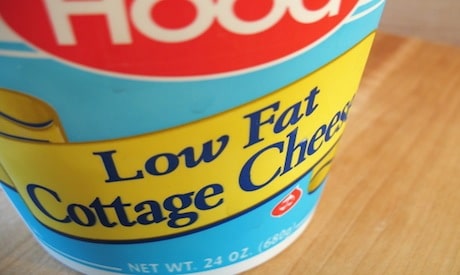
Low Fat Labels: Why they Can Ruin Your Healthy Eating
Trans Fats: The Truth in Labeling | Atkins After 2006, when the new labeling laws go into effect, the FDA will still allow manufactucturers to list "zero" under trans fats if there is less than ½ gram per serving of the food. They will also permit manufacturers to say "zero trans fats" on the label if a serving size contains a half gram or less. This is a bad rule that needs ...

Your cereal box, decoded – SheKnows
Bad Fats Can be Hidden on Nutrition Labels | Broken Secrets This label is from Fiber One cereal. The total fat is 1.5 grams per serving, but if you add all of the itemized items you only get 0.5 grams. That means, 1 gram of fat is hidden. If it was all monounsaturated it wouldn't be so bad, but it can't be more than .49 grams of good fat or it would have to be listed.
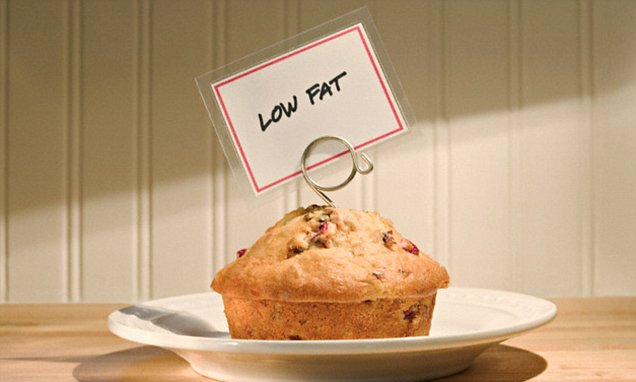
Fat News Feed | Your #1 Source of Obesity News Since 2009
› diabetes › diabetic-food-list-bestDiabetic Food List: Best and Worst Choices - WebMD Natural sources of vegetable fats, such as nuts, seeds, or avocados (high in calories, so keep portions small) Foods that give you omega-3 fatty acids, such as salmon, tuna, or mackerel
![Beware! There Are Everyday Products That Might Kill You One Day. [Toxic Food Poster] | Piplum](https://www.piplum.com/wp-content/uploads/2019/03/Most-popular-toxic-foods-table.jpg)
Beware! There Are Everyday Products That Might Kill You One Day. [Toxic Food Poster] | Piplum
› nutritionsource › what-shouldFats and Cholesterol | The Nutrition Source | Harvard T.H ... Foods high in good fats include vegetable oils (such as olive, canola, sunflower, soy, and corn), nuts, seeds, and fish. “Bad” fats — trans fats — increase disease risk, even when eaten in small quantities. Foods containing trans fats are primarily in processed foods made with trans fat from partially hydrogenated oil.

Reading Food Labels
How to Read Nutrition Facts Labels the Right Way - GoodRx However, foods that contain less than 0.5 g per serving are allowed to list the trans fats as 0 g on a nutrition label, so consumption of these fats is still possible. Foods that may contain small amounts of trans fats include: Packaged baked goods. Ready-to-eat frozen meals. Refrigerated doughs. Fried foods. Margarine. Shortening

Healthy Food Choices - Natpe Market - Be Nutrition Wealthy
Which Fats Are Good & Bad for Your Health? - eMediHealth Unsaturated fats are loosely packed fatty acids that bend and move, which is why this fat is commonly liquid at room temperature. Oils are the most recognizable form of unsaturated fat, including olive, canola, or vegetable oil. It is recommended to choose oils over solid fats for a healthy lifestyle. 2. Saturated fat

How to Understand and Use the Nutrition Facts Label
PDF Food Label Tip: Choose Low Saturated Fat Trans Fat and Cholesterol These food labels are for one serving of milk: 1 cup (8 ounces). Fat-free milk has the lowest % of saturated fat and cholesterol. It has 0% of the Daily Value of saturated fat and 2% cholesterol. Whole milk has 25% of the Daily Value of saturated fat and 12% cholesterol. Milk does not have trans fat. Fat-free milk is a better choice. Potato Chips
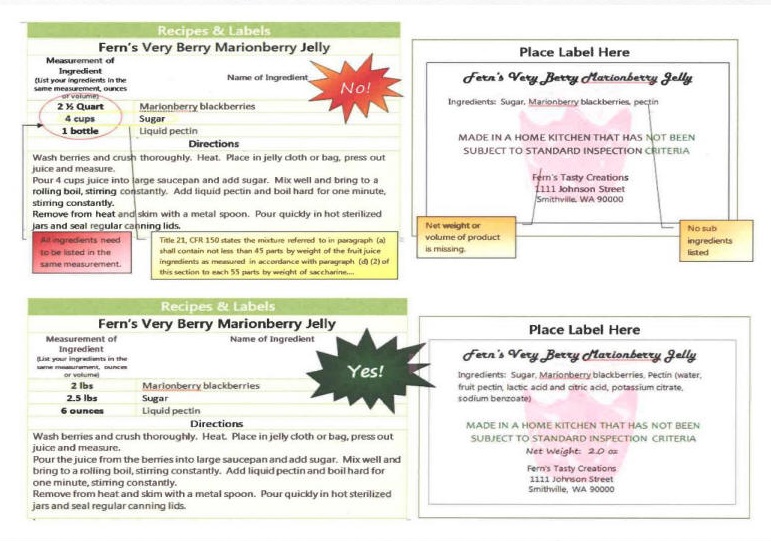
Selling Homemade Jams, Jellies, Preserves and Fruit Butters in Washington State (Cottage Foods)
7 Hidden Messages In Packaged Food Labels - Eat This Not That As for trans fat, while some trans fats are created naturally in some foods (but in very small amounts), most items with partially hydrogenated trans fat can increase blood cholesterol, LDL cholesterol, and triglyceride levels. In short, it could increase your risk of cardiovascular disease. In short, be wary of items with a high trans-fat count.
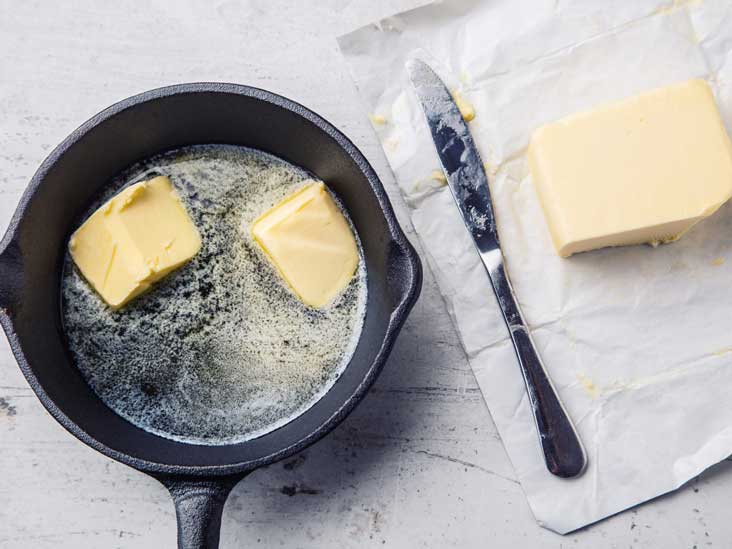
5 Ways to Avoid Hydrogenated Oil
Interpreting Total Fat and Types of Fat on Food Labels - Nina Cherie ... Trans fats and, in some cases saturated fats, are considered "unhealthy" or "bad" while monounsaturated and polyunsaturated (omega-3) fats are generally healthier alternatives or "good" fats. Saturated fats are naturally found in animal-based foods including meats, dairy products and eggs.

Food labels: why 'low-fat' and 'high-fibre' don't mean healthy - Telegraph
What Are the Fats Not Listed on Nutrition Labels? - SF Gate Vegetable oils, especially canola, olive and peanut oils, almonds, hazelnuts, pecans, pumpkin seeds and sesame seeds are all good sources of monounsaturated fats. Polyunsaturated Fats...

How Food Labels Are Making Us Fat (Infographic) - mindbodygreen
Food Label Detective: How to Spot the Good Fats - The Dr. Oz Show Both saturated fat and trans fat amounts are clearly listed underneath "Total Fat," although some foods labeled trans fat-free may still contain small amounts (up to 0.5 grams) of trans fat. That's why it's important to also check a food's ingredient list. Avoid foods that contain "partially hydrogenated oil," which means trans fat is present.

How Food Labels Are Making Us Fat (Infographic) - mindbodygreen
Good Fats vs. Bad Fats: Everything You Need to Know Research has consistently shown that eating foods that contain monounsaturated fat can improve your blood cholesterol level and decrease your risk for cardiovascular disease. These foods include:...

What Food Labels Actually Mean - Simplemost
Top 10 High Fat Foods to Avoid - myfooddata Read ingredient labels and avoid any trans or partially hydrogenated fats or oils. High-fat foods to avoid include fast foods, whipped cream, fatty meats, fried foods, fatty snacks, processed meats, desserts, fatty salad dressings, animal fats, and trans-fats. ( 1) The daily value (DV) for fat is 78 grams per day. ( 2)

Read food labels – Step 1: Check the Fat Content | Healthy Living SG
What Foods Are High in Fat? High-Fat Foods to Avoid Foods high in fat to avoid These foods are rich in bad fats, namely, saturated and trans fats and should be avoided: Deep-fried foods (French fries, fritters, chips) Cakes, muffins, cookies Ice cream and other frozen desserts Red meat (steak) and processed meats (bacon, sausage) Chicken skin Butter, margarine, lard

When I see 'Fat Free' on my food labels, it means feel free to eat the whole bag.
Fat Content on Food Labels - Reading Between the Lines The Mayo Foundation continued, "Still, you may be able to tell if a product contains trans fat, even if it's not directly listed on the food label. Look for the words ' hydrogenated ' or 'partially hydrogenated' in the list of ingredients. These terms indicate that the product contains trans fat.

One mama's adventure in "The Compact": 1950's baking
Post a Comment for "41 bad fats on food labels"